NV Energy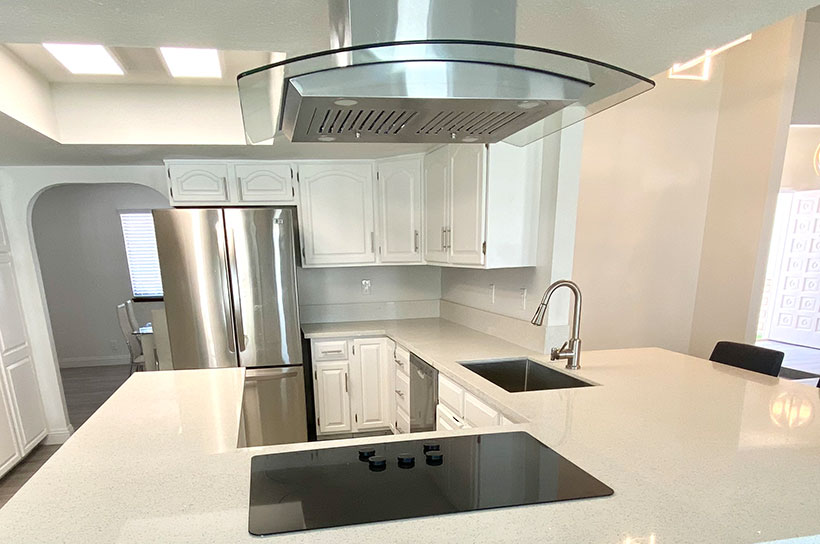
Having trouble with your kitchen plumbing in Vegas?
Kitchens are packed with plumbing. Between the sink, faucet, dishwasher, garbage disposal, and all those little water lines under the counter, there’s a lot that can go wrong. In fact, kitchen plumbing problems are one of the top reasons people end up calling a plumber.
The thing is, most of those issues don’t happen overnight. Grease, food scraps, and soap build up little by little inside the pipes. Over time, that buildup slows your drains, traps bad smells, and can even lead to leaks or costly repairs.
That’s why regular kitchen plumbing maintenance is so important. Flushing your drains properly, cleaning your garbage disposal, and keeping an eye out for small leaks can save you a lot of frustration, and money.. Think of it as giving your kitchen pipes a quick check-up now and then. It keeps everything running smooth, and you don’t have to deal with standing water in your sink or a surprise flood under the cabinet.
Here are the most common signs your kitchen plumbing needs maintenance or repair:
1. Slow or clogged drains
If your kitchen sink drains sluggishly, grease, soap scum, or food debris may be building up inside the pipes. Over time, that buildup hardens and narrows the passageway, leading to full blockages or even pipe damage. Regular professional drain cleaning prevents that.
2. Dripping faucets
A persistent drip isn't just annoying, it wastes water and usually indicates worn washers, O-rings, or valve seats that need replacement.
3. Foul Odors
A persistent bad smell from the drain or garbage disposal is never “just kitchen smell.” It often means decaying food is trapped inside the drain, or the P-trap (the U-shaped pipe under your sink that blocks sewer gases) has dried out or is clogged. A plumber can clean and sanitize the system properly.
4. Leaks Under the Sink
Even a small drip under the sink can waste gallons of water and cause cabinet rot or mold. Leaks commonly occur at loose fittings, corroded pipes, or worn-out seals. Water stains under the sink, moisture on pipes, or puddles on the floor are obvious red flags. Wipe the area under the sink regularly. If it’s damp or moldy, call us for inspection.
5. Low Water Pressure
Low pressure at the kitchen faucet might be caused by mineral buildup in the aerator, corroded pipes, or issues in the supply line. If only the kitchen is affected, it’s likely localized. But if the whole house shows low pressure, it could point to a bigger plumbing problem.
6. Dishwasher or Ice Maker Issues
If your dishwasher leaves standing water or your refrigerator’s ice maker slows down, the supply line or drain connection may be clogged or leaking. These appliances share plumbing connections that should be checked at least once a year.
7. Water Discoloration or Odor
Rusty or cloudy water from your kitchen faucet may indicate corroded pipes or sediment buildup in the water heater. This is a sign to inspect your water lines and possibly replace old galvanized pipes.
Kitchen is one of the most important spaces in your home.
Schedule Preventive Plumbing Maintenance
Plumbing maintenance is designed to tackle all those small, irritating problems before they escalate into larger, more costly, and more damaging disasters.
Even if everything seems fine, having a plumber inspect your kitchen plumbing once a year helps catch small leaks, worn-out seals, and slow buildup before they cause expensive water damage. Keep your kitchen running at its best – contact Nevada Residential Services Air conditioning, Heating and Plumbing on 702-935-0777 or save our number for whenever you need rapid-response plumbing maintenance and repairs! We will ensure that your kitchen stays in good working condition at all times. A well maintained system, where smaller issues are prompt rectified, means a healthier, safer, and more efficient home.