NV Energy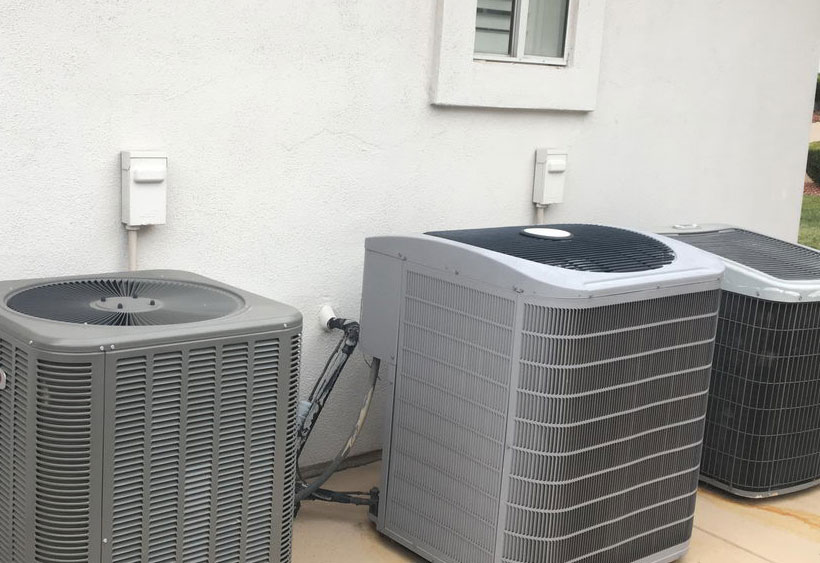
Nevada's climate is genuinely one of the harshest environments an
The industry average lifespan for an heating and air conditioning system in a moderate climate is 15–20 years, but in Las Vegas, that number drops significantly — closer to 10–14 years for a system under heavy use.
Las Vegas's Temperature Swings
Las Vegas experiences some of the most extreme temperature ranges in the country. Summers regularly hit 115–120°F, while winters can dip into the 30s°F at night. Beyond the seasonal swings, you also get dramatic daily swings of 25–35°F — it might be 105°F in the afternoon and 72°F by midnight. This constant expansion and contraction of air, ductwork, and mechanical components is what slowly destroys
Add to that very low humidity (often 10–15%), fierce dust and desert particulates, and intense UV radiation that degrades outdoor components, and you have a recipe for accelerated wear.
How Aging HVAC Systems Specifically Fail During Nevada's Temperature Swings
Here are the specific failure patterns that Las Vegas creates:
Summer peak failure
The most dangerous moment for an aging
air conditioning system is the first truly brutal heat wave of the year, typically May or June. After sitting dormant all winter, the system is powered back up into 110°F+ heat. Components that were barely holding on all winter fail within the first few days of heavy use. This is whyHVAC companies in Las Vegas are completely swamped in June.
Always schedule your spring maintenance in March or April, before the rush.
Short-cycling
An aging system that's low on refrigerant, has a dirty coil, or has a failing capacitor will "short-cycle". It turns on, runs for a few minutes, shuts off, and repeats rapidly. This is both a symptom and a cause of damage, as the repeated starts put enormous strain on the compressor.
Inability to maintain setpoint temperature
In a healthy system, your home should reach your thermostat setting even on very hot days (with some limitations on the absolute hottest days). If your aging system can only keep the home at 82°F when you've set it to 76°F during a 115°F day, that's a sign the system is undersized, has low refrigerant, or has a failing compressor.
Winter heating stress
People often forget the heating side of Las Vegas. While winters are mild during the day, nights can be cold enough that the furnace or heat pump runs hard. An aging heat exchanger in a furnace is a real safety concern. Carbon monoxide leaks are more likely as it ages.
Practical Recommendations
In Las Vegas, any
- Change filters every 30–60 days, not the standard 90. Desert dust loads Nevada filters very quickly, and a clogged filter is one of the fastest ways to overstress a system.
- Keep your outdoor condenser units clear. Desert dust, tumbleweeds, and debris can pack into the fins of your outdoor unit and dramatically reduce efficiency.
- Install a smart thermostat if you haven't already. It helps manage the load more intelligently, avoiding sudden large temperature demands that stress aging equipment.
- Set your thermostat no lower than 78°F on extreme heat days if your system is aging. Asking an old system to maintain 70°F when it's 115°F outside will run it into the ground.
- Budget accordingly. A full
HVAC replacement in Las Vegas typically runs $6,000–$25,000+ depending on the size of your home and system type. For 12+ year-old system, treat that as a near-term expense. For the 8+ year-old system, build it into your 5-year financial plan.
Las Vegas is one of the toughest environments for
As the leading