NV Energy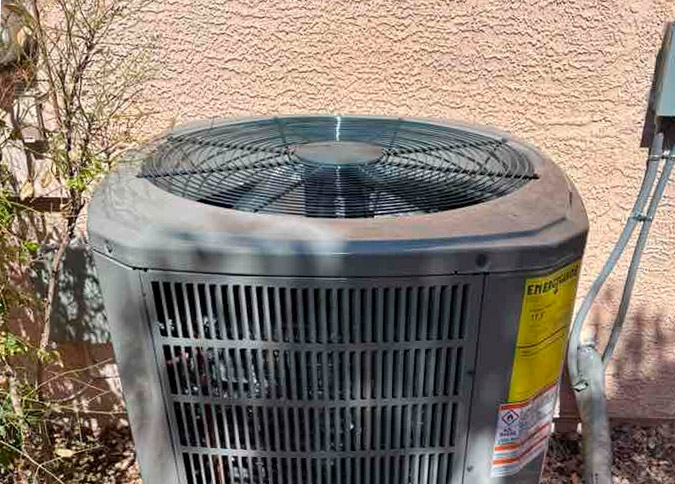
If you have ever tried to keep a traditional lawn looking fresh in Las Vegas during July, you already know that Nevada gardening can feel like a competition between your plants and the sun. The sun usually wins. Add dry air, reflected heat from walls and pavement, alkaline soil and long periods without meaningful rainfall, and suddenly the idea of having a beautiful yard starts to look surprisingly ambitious.
But a Nevada yard does not have to be a collection of rocks, gravel and one lonely cactus standing in the corner like it is waiting for a bus. There are plenty of plants that can handle Southern Nevada conditions while still giving your property color, texture, shade and a much more inviting appearance.
The important part is choosing plants that actually match your environment. The Southern Nevada Water Authority maintains a regional plant list specifically to help homeowners choose plants that are better adapted to the Las Vegas area, with considerations including water efficiency, drought tolerance, maintenance and climate resilience.
And there is another reason to think carefully about your landscaping. Your yard is not completely separate from your house. The location of trees, shrubs, groundcover and other plants can influence how much heat surrounds your home and your outdoor equipment. Landscaping will not magically turn a Las Vegas house into an air conditioned cave, but smart choices can make the entire property more comfortable and easier to maintain.
Here are 10 plants worth considering if you want a Nevada yard that looks like someone actually lives there rather than a miniature geology museum.
1. Texas Ranger
Texas Ranger is one of those shrubs that seems almost designed for the Southern Nevada landscape. It handles heat, drought and strong sunlight well, and its purple or lavender flowers can provide a welcome burst of color when many other plants are struggling with the summer conditions.
It also works particularly well when you want structure without creating a garden that demands constant attention. Depending on the variety and location, it can be used as a larger shrub, a privacy element or part of a mixed desert landscape.
The trick is not to treat Texas Ranger like a thirsty garden plant. Give it appropriate drainage and irrigation, allow it enough room to mature and resist the temptation to water everything simply because the thermometer is having a dramatic day. Texas Ranger is included in Southern Nevada's recommended landscape resources and is also featured in SNWA sample landscape designs.
2. Lantana
If your idea of a desert yard involves a little more color, Lantana deserves attention. Depending on the variety, it can produce clusters of yellow, orange, pink, purple or other colorful flowers and can work as a groundcover or shrub.
Lantana is especially useful around patios, walkways and other areas where you want something softer than bare rock. SNWA lists it as suitable for full sun, part sun and even areas with reflected heat, although its water requirement is generally considered medium rather than truly low.
One thing homeowners should know is that Lantana changes with the seasons. Many varieties become dormant during winter and can be cut back toward the end of winter. So if your beautiful summer plant suddenly looks like it has given up on life in January, it may simply be taking its annual break.
3. Desert Willow
Desert Willow is a particularly interesting choice if you want a tree rather than another shrub. It can provide useful shade while producing attractive flowers that are popular with pollinators such as hummingbirds and bees.
It is also a good example of why desert landscaping does not have to mean sacrificing the feeling of having a real garden. A properly positioned tree can give a yard height, movement and shade while breaking up areas dominated by stone and hardscape.
SNWA specifically includes Desert Willow among plants suited to Southern Nevada and notes its fragrant, orchid like flowers. If you have enough space, a tree like this can become one of the most valuable elements of the landscape rather than simply another decorative plant.
4. Red Yucca
Red Yucca is practically a celebrity of Las Vegas landscaping. It is low maintenance, drought tolerant, evergreen and capable of producing tall flower stalks that add strong vertical interest to a yard.
It also handles full sun and does not require the kind of constant attention that some ornamental plants demand. SNWA describes Red Yucca as a very low water plant that is popular in Las Vegas and attractive to hummingbirds.
Use it around entryways, along paths or as an accent among shrubs and decorative rock. Its architectural shape works particularly well in modern desert landscaping, but it can also soften a more traditional Nevada yard.
5. Desert Marigold
Desert Marigold is a good option when you want flowers without trying to recreate an East Coast flower garden in the middle of the Mojave. Its bright yellow flowers stand out beautifully against gravel, rock and muted desert foliage.
It is especially useful for adding seasonal color to areas that might otherwise look rather plain. Instead of trying to make every square foot of the property green, you can use flowering desert adapted plants strategically and allow the surrounding rock and hardscape to become part of the design.
That approach generally makes more sense in Southern Nevada because a successful landscape is not necessarily the one with the most plants. It is the one where the plants, irrigation, soil, sunlight and available space all work together.
6. Penstemon
Penstemon brings a very different look to a Nevada landscape. Its tubular flowers can add strong color and provide an additional food source for pollinators, while different species and varieties can give you plenty of options for different parts of the yard.
The plant is particularly useful when you want your landscape to look more natural rather than perfectly manicured. Combine it with other drought adapted plants, decorative rock and native style landscaping, and you can create something that looks intentional without looking like every plant was measured with a ruler.
As with almost any desert plant, placement matters. A plant that thrives in one part of your yard may struggle a few feet away because of reflected heat, poor drainage or different exposure. The SNWA plant search allows homeowners to filter plants by characteristics such as water requirements, sunlight, maintenance and plant type, which is a useful way to narrow down choices before visiting a nursery.
7. Globe Mallow
Globe Mallow is another excellent choice if you want a plant that looks at home in the desert rather than one that is merely surviving there.
Its rounded leaves and colorful flowers give it a softer appearance than many spiky desert plants. It can work nicely in mixed beds where you want different textures instead of having every plant compete for attention.
The bigger lesson with plants like Globe Mallow is that desert landscaping does not have to be visually boring. You can combine flowering plants, shrubs, grasses, succulents and trees to create different heights and textures while still keeping water use much more sensible than a traditional high water landscape.
8. Little Leaf Cordia
Little Leaf Cordia is worth considering when you want a larger shrub with a more substantial presence. It can bring structure to a landscape and work particularly well as part of a layered planting design.
This type of plant can be useful around patios or open areas where you want some visual screening without building a solid wall. The key is to give mature plants enough room rather than planting everything too close together because the nursery version looked perfectly small.
That is one of the most common landscaping mistakes in any climate. The plant you buy today is not necessarily the plant you will have three years from now.
9. Damianita
Damianita is a great choice for homeowners who want a compact flowering plant that can bring plenty of personality to a desert landscape. Its yellow flowers and low growing form make it useful around paths, rock gardens and other areas where a large shrub would simply be too much.
It also works well when combined with plants of different shapes. Put Damianita next to Red Yucca, for example, and you get a combination of low rounded growth and taller architectural foliage instead of one continuous wall of green.
SNWA includes Damianita in its sample water smart landscape designs, which is another indication of how naturally it fits into the Southern Nevada landscape.
10. Bush Morning Glory
Bush Morning Glory is another option for homeowners who want a flowering shrub without turning the yard into a full time gardening project. Its silvery foliage can provide contrast against darker green plants and decorative stone.
This is especially useful in a desert landscape because foliage color itself becomes part of the design. You do not need every plant to have bright green leaves. Silvery, gray green and muted tones can actually make brighter flowers and architectural plants stand out more.
The best Nevada landscapes often work this way. Instead of fighting the environment, they use the colors, textures and shapes that naturally suit the desert.
Best Low Water Plants for Las Vegas Homeowners
Choosing a desert adapted plant is only the beginning. The location where you plant it can be just as important as the plant itself.
A plant that handles full sun may still struggle when placed next to a south facing stucco wall that reflects additional heat onto it all afternoon. Another plant might perform perfectly in one Henderson yard but need more protection in an exposed Boulder City location where wind and site conditions are different.
That is why it is useful to think about your yard in terms of small microclimates. Look at where you have morning sun, afternoon sun, reflected heat, shade from existing trees and areas where water naturally collects.
Southern Nevada soil can also create problems. SNWA notes that clay, sand and hard caliche are common in the Las Vegas Valley and that the soil generally contains little organic matter. Improving soil where appropriate and providing proper drainage can make a significant difference to plant health.
How to Design a Water Efficient Nevada Landscape
A water efficient yard is not simply a yard containing plants that survive without much water. The irrigation system, soil preparation, mulch and plant placement all matter.
For new desert adapted plants, establishment is particularly important. SNWA recommends drip irrigation for desert plants because it delivers water slowly and directly to the root zone, giving dry soil more opportunity to absorb the water instead of losing it to evaporation or runoff.
Mulch can help too. It reduces evaporation, suppresses weeds and helps protect the soil from temperature extremes. In other words, it does a lot of work while mostly sitting there looking decorative, which is arguably one of the better job descriptions in the gardening world.
Before installing anything, think about the mature size of each plant. Leaving enough space between plants improves airflow, reduces crowding and means you will not spend every other weekend performing emergency shrub surgery with pruning shears.
Can Landscaping Help Keep a Las Vegas Home Cooler?
This is where landscaping becomes interesting for homeowners who are also thinking about their energy bills.
Trees and strategically positioned vegetation can provide shade for parts of a property and reduce the amount of heat absorbed by certain surfaces. A mature tree can be particularly valuable because its canopy can shade walls, windows or outdoor living areas during the hottest parts of the day.
That does not mean planting a tree next to your air conditioner and hoping for an instant reduction in your electric bill. Your outdoor condenser still needs appropriate airflow, access for service and enough clear space around it. Dense vegetation, leaves and debris should not be allowed to interfere with the equipment.
Your landscape and your
Your Outdoor AC Unit and Landscaping
The outdoor condenser is one of the most important pieces of your air conditioning system, and it spends the summer sitting outside in exactly the environment that makes landscaping difficult.
Dust, leaves, grass clippings and other debris can collect around the equipment. Plants can also grow toward the AC unit and make maintenance more difficult. This is especially worth checking in late summer when your AC has already spent months working through extreme temperatures.
A clean, accessible area around the outdoor unit makes it easier to inspect and maintain the equipment. It also gives HVAC technicians better access when they need to check the system, clean components or diagnose a problem.
Your landscaping can still provide shade and beauty around the property. Just avoid turning the AC condenser into a decorative jungle.
And What About Your AC When Summer Starts Giving Up?
This is the part many homeowners forget. September and October may feel like the beginning of the end of summer, but your air conditioner has already worked extremely hard for months.
That makes the transition from summer to fall a sensible time to look at the condition of your
There are several practical benefits to scheduling seasonal AC maintenance after the heavy summer workload:
- Better system reliability because developing problems can be identified before the next cooling season.
- Improved efficiency when components are clean and the system is operating as intended.
- Fewer unpleasant surprises when temperatures climb again.
- Better airflow and cooling performance when filters, coils and other components are properly maintained.
- A clearer picture of your equipment's condition if your AC is getting older and you may eventually need an air conditioner replacement.
Seasonal maintenance is not about convincing every homeowner that they need a new air conditioner. In many cases, a properly maintained existing system can continue doing its job. The point is to know what condition the equipment is actually in rather than waiting for the first 105 degree afternoon next summer to find out.
Las Vegas HVAC Maintenance Before the Next Hot Season
The relationship between your landscaping and ACsystem is not as strange as it might initially sound. Both are affected by the same desert environment, and both benefit from homeowners paying attention before a problem becomes obvious.
When summer begins to fade, take a walk around the outside of your home. Look at the plants, irrigation, mulch, drainage and the area around the AC condenser. Remove obvious debris, make sure vegetation is not crowding the equipment and look for anything that seems different from earlier in the year.
Then consider having your
Las Vegas, Henderson and Boulder City Need Different Landscape Thinking
It is tempting to treat the entire Las Vegas area as one giant desert backyard, but homeowners know that conditions can vary considerably from one property to another.
Las Vegas and Henderson have many similarities, but individual neighborhoods can still have different amounts of reflected heat, wind exposure, shade and available planting space. Boulder City can present its own challenges because elevation, exposure and local conditions affect how plants perform.
That is why copying your neighbor's entire landscape is not necessarily the best strategy. Your neighbor may have a beautiful Desert Willow that thrives in exactly the spot where you are planning to put one, or they may simply have a completely different microclimate.
Before buying plants, consider the actual conditions in your yard. Look at sun exposure, mature plant size, irrigation requirements, drainage and the amount of maintenance you are realistically willing to provide.
Build a Nevada Yard That Works With the Desert
The best Nevada landscape is not necessarily the one with the greatest number of plants. It is the one where the right plants are placed in the right locations and supported by sensible irrigation, soil preparation and stuff like that.
Plants such as Texas Ranger, Red Yucca, Desert Willow, Damianita and Lantana can give a Las Vegas area yard plenty of color and character without pretending that the Mojave Desert is secretly Pennsylvania.
And there is a bigger benefit to thinking this way. A thoughtful landscape can make your outdoor space more comfortable, reduce unnecessary water use and create shade and visual interest while keeping it manageable. SNWA's regional resources are designed around exactly this idea: selecting plants that are appropriate for Southern Nevada rather than simply choosing whatever happens to look good at the garden center.
So if your yard currently consists mostly of gravel and a few plants that appear to be negotiating with the sun, you do have options. Start with plants that actually belong here, give them the conditions they need, and remember that your AC system deserves a little breathing room too.
When summer finally starts backing away from Las Vegas, give both your landscape and your air conditioning system some attention. Your plants will have a better chance of making it through another Nevada season, and your air conditioner will be better prepared for the next time the desert decides that 100 degrees was simply not enough.