NV Energy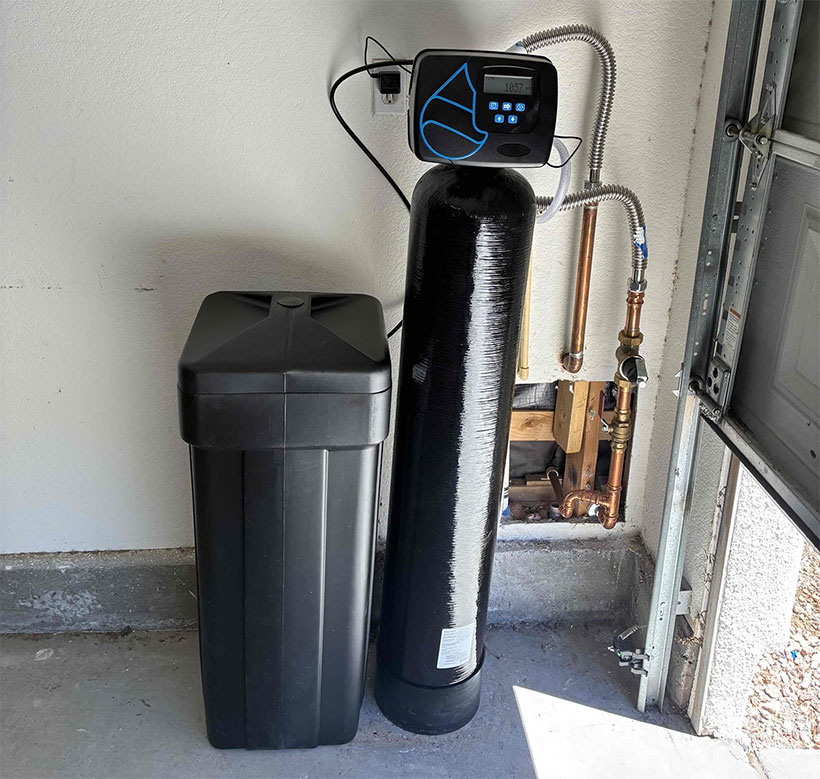
Las Vegas Water May Be Destroying Your Plumbing Without You Noticing
There is something rather strange about plumbing. You can have a perfectly clean kitchen, a freshly painted bathroom and a house that looks as if it was built yesterday, while the plumbing inside the walls is quietly developing problems.
In Las Vegas, there is another factor homeowners need to consider. The water coming into your home contains a considerable amount of minerals. You may not notice them when you turn on the faucet, take a shower or fill a glass of water. Your plumbing, however, notices them very well.
This is where hard water enters the story.
Hard water is not usually an emergency. It does not suddenly flood your house or cause a pipe to burst overnight. Instead, it can slowly leave mineral deposits throughout your plumbing system. Over time, those deposits can affect faucets, showerheads, appliances, water heaters and even the inside of your pipes.
The frustrating part is that you may not realize there is a problem until the damage has already become quite expensive.
What Makes Las Vegas Water So Hard?
Las Vegas is well known for hard water because the local water supply contains significant amounts of calcium and magnesium. These naturally occurring minerals are not something homeowners can simply see when they turn on the tap. But when water repeatedly passes through plumbing fixtures and appliances, minerals can gradually accumulate.
You may have already seen the evidence. That white crust around a faucet? Mineral deposits. The white spots that remain on your shower glass after cleaning? Mineral deposits. A showerhead that used to produce a strong stream but now seems strangely weak? Mineral buildup may be part of the problem.
And if your water heater has been working for years without much attention, there may be considerably more going on inside the tank than you would expect.
The Problem You Cannot See
The most concerning part of hard water is not what you can see. It is what you cannot see.
Minerals can accumulate inside plumbing components and narrow the passages through which water travels. This can contribute to reduced water flow and pressure, particularly in older plumbing systems.
A small amount of buildup may not seem important. But plumbing systems are made up of many connected components. When buildup occurs repeatedly over many years, the effect can become much more noticeable.
Imagine a pipe that is slowly becoming narrower on the inside. Water can still pass through, so everything appears normal. Eventually, however, the flow becomes restricted enough that you begin noticing changes around the house. This is one reason homeowners sometimes call a local plumber because of low water pressure without realizing that their water quality may be contributing to the problem.
Water Heater Taking the Biggest Hit
Your water heater has a particularly difficult relationship with hard water because it repeatedly heats the same water inside the system.
Minerals can settle at the bottom of a traditional tank water heater and form sediment. As the layer becomes thicker, the heater may have to work harder to transfer heat through that sediment. Homeowners may notice strange popping or rumbling sounds, longer heating times or inconsistent hot water.
Hard water is not necessarily the only explanation for these symptoms, but it is one of the factors worth considering. This is also why water heaters deserve more attention than they usually receive. A homeowner may replace a failing unit and assume the problem is solved, only to continue exposing the new equipment to the same hard water conditions.
Improving water quality can therefore be a sensible part of protecting a new water heater.
Faucets and Showerheads
When mineral deposits begin accumulating around the aerator, water flow can become weaker or uneven. Showerheads can develop clogged openings, producing an inconsistent spray that makes a normal shower feel like an exercise in patience.
The deposits can also collect around valves, fixtures and connections.
Cleaning the visible buildup may make everything look better for a while. But if the underlying water contains high levels of minerals, the deposits will eventually return. That is when it becomes useful to think beyond cleaning.
Sadly, Hard water does not stop at your plumbing fixtures.
Dishwashers, washing machines, coffee makers and other appliances that regularly use water can also be affected by mineral deposits. The exact effect depends on the appliance, its design and how much water it uses. But generally speaking, mineral accumulation is something manufacturers and homeowners have to consider when equipment is repeatedly exposed to hard water. This is one reason water treatment can be more than a matter of having nicer looking faucets. It can be part of protecting the equipment throughout your home.
Hard Water and Your Pipes
This is where the subject becomes a bit more complicated. Hard water does not mean that every pipe in your house is automatically going to fail. Pipe material, age, water chemistry, installation quality and other factors all matter. However, mineral deposits can contribute to restrictions and buildup within plumbing systems.
If your home has older plumbing and you are experiencing recurring leaks, low water pressure or frequent plumbing problems, it is worth having the system evaluated instead of assuming every problem is unrelated.
Sometimes the correct solution is a simple repair. In other cases, aging plumbing may require more extensive pipes repair and replacement. A professional plumbing inspection can help determine which situation you are dealing with. By the way, check our HVAC and Plumbing Membership Plan - let our licensed technicians handle all of it for you, it can save you from a lot of headache and unnecessary expenses.
How Do You Know If Your Home Needs a Water Softener?
A water softener can reduce the concentration of calcium and magnesium responsible for hardness by using an ion exchange process. The result is water that is less likely to leave mineral deposits throughout the plumbing system.
But not every home needs the same solution. Here are several signs that may make it worth considering:
-
You constantly see white mineral deposits
If your faucets, shower fixtures and glass surfaces develop white spots shortly after cleaning, hard water is a likely suspect.
-
Your showerheads frequently clog
If cleaning or replacing showerheads has become a regular household chore, excessive mineral buildup may be involved.
-
Your water heater develops sediment problems
Recurring sediment buildup can be a reason to investigate the hardness of your water and the overall condition of your water heater.
-
Your appliances develop scale
Frequent mineral deposits around water using appliances can indicate that your home would benefit from water treatment.
-
You have an older plumbing system
If your plumbing is already aging, reducing mineral exposure may be worth considering as part of a broader strategy to protect the system.
-
You simply spend too much time cleaning mineral deposits
This may sound like the least technical reason on the list, but it is actually one of the easiest signs for a homeowner to recognize.
If you are constantly fighting white buildup, your water is probably trying to tell you something.
Water Softener Installation
If hard water is becoming a persistent problem, professional water softener installation may be worth considering.
The important word here is professional.
A water softener needs to be properly sized and installed for the household and plumbing system. The wrong equipment or an improperly installed system may not deliver the results you expect.
A licensed plumber can evaluate your existing plumbing, discuss the home's water usage and determine whether a water softener makes sense for your situation.
A reputable plumbing contractor (such as your's trully Nevada Residential Services) can also look beyond the water itself and check whether existing mineral buildup, leaks or aging components need attention.
This is particularly useful for homeowners who have recently purchased an older property in areas such as Summerlin, Henderson, Enterprise or North Las Vegas. A home may have had years of plumbing use before you ever moved in.
Do Water Softeners Prevent Plumbing Problems?
It would be a mistake to think of a water softener as a magic shield for every plumbing problem.
- It does not repair a cracked pipe.
- It does not fix a leaking water heater.
- It does not replace an old valve.
- It does not solve every possible cause of low water pressure.
What it can do is reduce hardness in the water entering the home, which can help limit mineral scale and buildup.
It is a great problems prevention tool.
If a pipe is already damaged, you still need the appropriate pipes repair and replacement. If your water heater is leaking, you still need professional service. But addressing hard water may help reduce one source of ongoing stress on the plumbing system.
A Small Problem Today Can Become an Expensive Problem Later
One of the biggest mistakes homeowners make with plumbing is waiting for something dramatic to happen. A dripping faucet, a little white buildup around a fixture, a showerhead with reduced flow - all of it does not look like a disaster. Even a water heater that makes an occasional strange noise does not look like a disaster. But plumbing problems rarely become cheaper because you ignore them.
This does not mean that every unusual sound or mineral deposit requires an immediate emergency plumbing visit. It means homeowners should pay attention to changes and investigate recurring problems before they become major ones.
A good local plumbing company should be able to tell you whether a problem requires immediate attention, routine maintenance or simply monitoring.
NRS Plumbing Company in Las Vegas
When you need plumbing work, price should not be the only consideration.
Experience matters. Proper licensing matters. The ability to diagnose the actual cause of a problem matters.
Whether you need water softener installation, water heaters serviced or replaced, leaking fixtures repaired, or pipes repair and replacement, it is worth working with Nevada Residential Services licensed plumbers who can evaluate the entire situation rather than simply replacing the first component that appears suspicious.
At the same time, professional plumbing does not have to mean unnecessarily expensive plumbing. A company offering affordable plumbing services should be able to explain the recommended work, why it is necessary and what alternatives may be available.
That is particularly important when dealing with older homes, where one plumbing problem can sometimes be connected to another.
Frequently Asked Questions
Is Las Vegas water hard enough to damage plumbing?
Las Vegas has naturally hard water with significant mineral content. Over time, mineral deposits can accumulate in fixtures, appliances, water heaters and plumbing components. The actual effect depends on the plumbing materials, water chemistry, age of the system and other factors.
How often should I replace a water softener?
There is no single replacement schedule that applies to every system. Equipment quality, water hardness, household size, maintenance and usage all affect its lifespan. If the system is no longer effectively treating the water or requires frequent repairs, a plumber can determine whether servicing or replacement makes more sense.
Can a water softener fix clogged pipes?
A water softener cannot remove existing physical damage or automatically clear severely restricted plumbing. It is primarily a water treatment solution designed to reduce hardness. If mineral buildup has already caused significant restriction, a licensed plumber should inspect the plumbing and recommend the appropriate repair.
------------
If your home has persistent mineral buildup, recurring leaks, water heater problems or concerns about aging pipes, a professional plumbing evaluation can provide a much clearer picture. And if hard water turns out to be part of the problem, a properly selected and professionally installed water softener may be one of the simplest ways to give your plumbing system a little less to fight against every day.