NV Energy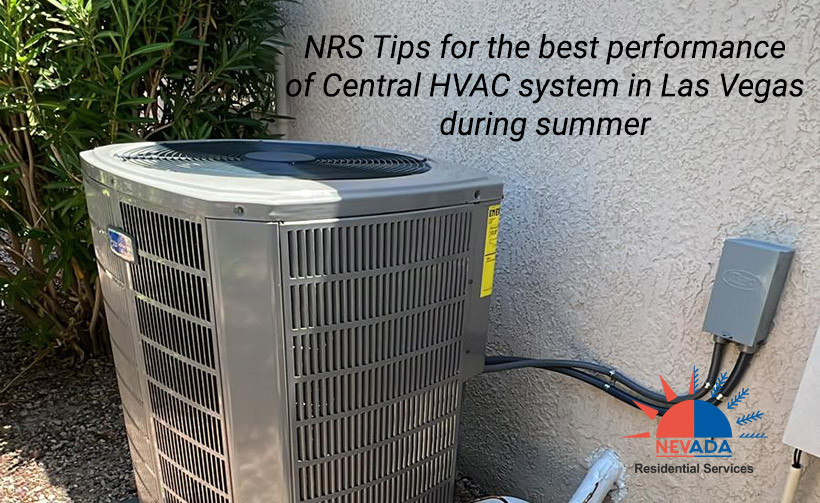
For Las Vegas summers (June–July), with temps often soaring well above 100°F, keeping your central HVAC system efficient and effective is crucial for comfort, health, and energy savings. Here's a comprehensive list of best settings and recommendations from Nevada Residential Services Cooling Experts:
1. Thermostat Settings
Cooling Temperature
- Recommended Setting (Occupied Home):
76°F–78°F during the day (if you're home). - Energy-Saving Setting (Away from Home):
82°F–85°F when nobody's home. - Night Setting:
74°F–76°F (comfortable for sleep without overworking your system).
Tip: Avoid setting it below 72°F — it won’t cool faster but will spike your energy bill and strain your system.
2. Fan Mode
Set to "Auto" instead of "On"
→ Saves energy and reduces humidity more effectively.
3. Thermostat Scheduling (Smart Thermostat or Programmable)
Typical Summer Schedule:
| Time | Temp (°F) |
|---|---|
| 6:00 AM–8:00 AM | 75–76 |
| 8:00 AM–5:00 PM | 82–85 (away) |
| 5:00 PM–10:00 PM | 76–78 |
| 10:00 PM–6:00 AM | 74–76 (sleep) |
4. System Maintenance Tips for Vegas Heat
- Change Air Filters Monthly (June–September)
Dusty desert air clogs filters quickly. Preferably use MERV 8–11 filters.
- Have a Pro Check Your HVAC in May or Early June
Full tune-up: refrigerant levels, coil cleaning, airflow check, etc.
- Inspect Outdoor Unit Weekly
- Clear debris, leaves, and dust around the condenser.
- Maintain 2 feet of clearance all around.
- Seal Air Leaks
- Weather-strip doors, caulk windows, and insulate ductwork in attic (Las Vegas attics can hit 140°F+).
- Weather-strip doors, caulk windows, and insulate ductwork in attic (Las Vegas attics can hit 140°F+).
- Check Attic Ventilation
- Install or inspect ridge vents and attic fans. Heat trapped in the attic makes your AC work twice as hard.
5. Additional Comfort & Efficiency Tips
- Close blinds during peak sun (11 AM–6 PM).
- Use ceiling fans (counterclockwise) to feel 4°F cooler.
- Avoid heat-generating tasks (laundry, oven use) in the afternoon.
- Consider zoning or mini-split systems for areas rarely used (guest rooms, home gyms).
6. Warning Signs to Watch For
- If your system runs constantly but doesn’t cool, it may be undersized, or needs service.
- If there's reduced airflow, check for duct leaks or clogged filters.
- AC short-cycling (on/off rapidly) is a sign of a refrigerant or sensor issue.
7. Outdoor HVAC Unit
In Las Vegas, your outdoor AC condenser unit works very hard in the summer — especially during June and July when temps often hit 110°F+. Here’s how to protect, maintain, and optimize your outdoor unit for peak performance and longevity:
- Keep It Shaded — But Don't Block It
- Maintain 2–3 Feet of Clearance
- Clean the Coils Monthly
- Level the Unit
- Protect from Pets & Pests
- Check for Refrigerant Line Insulation
- Avoid Running It While Covered
Things to Avoid
- Don’t pour water directly into the unit trying to cool it.
- Don’t enclose it with decorative walls that trap hot air.
- Don’t let gravel or landscape rock pile up near the base.
Nevada Residential Services Summer Service Special
Our Air Conditioning company offer amazing summer check-up specials. This includes:
- Coil and compressor inspection
- Refrigerant level check
- Electrical connection and capacitor test
- Airflow and temperature split measurements
It’s a small investment that can prevent a breakdown during a 115°F heatwave.