NV Energy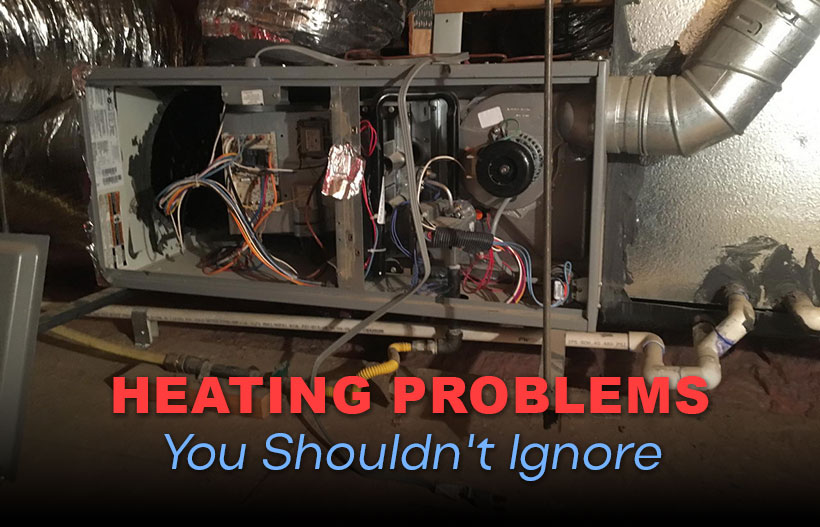
There's something about heating systems that makes homeowners procrastinate like nothing else. People will notice a strange noise, feel uneven heating, or catch a whiff of something odd, and then... they do nothing. They convince themselves it's probably fine, it'll sort itself out, or they'll deal with it later. Except "later" usually arrives at 2 AM on the coldest night of the year when the furnace finally gives up completely, and suddenly you're looking at an emergency HVAC repair that costs twice what it would have if you'd addressed the problem when you first noticed it.
After spending more than fifteen years working on heating systems across the Las Vegas Valley, we've seen this pattern repeat itself hundreds of times. Just last month, a homeowner called us in a panic because their heater quit on a night when temperatures dropped into the low 30s. They had three young kids, and the house was getting colder by the hour. When we got there and opened up the cabinet, the problem was immediately obvious, the blower motor had seized up completely. This kind of problems didn't happen overnight. The bearings had been failing for months, making a grinding noise that got progressively louder. The homeowner mentioned they'd noticed the sound back in October but figured it was "just how old furnaces sound." That assumption turned a $300 bearing replacement into a $1,200 emergency motor replacement at midnight, plus the stress of bundling their kids up in winter coats inside their own home while waiting for us to arrive.
Most people think we don't really have winter here in Vegas, and compared to places like Minnesota, they're probably right. But when temperatures drop to the 30s at night and your heating system decides to quit, suddenly those chilly desert evenings feel a whole lot colder than you'd expect.
The problem is that because our winters are relatively mild, people completely forget about their heaters for nine months. Then December arrives, they flip the switch expecting instant warmth, and instead get strange noises, weak airflow, or nothing at all. I get calls from panicked homeowners who haven't touched their thermostat since February, and now their house is colder than they ever thought possible in Vegas.
So what are these warning signs that turn small issues into expensive emergencies?
Furnaces usually give you plenty of warnings before they fail completely. You just need to know what to look for and take action when you spot these problems.
Banging, screeching, or rattling coming from your heating system means something has come loose, worn out, or is about to fail. Blower motors don't screech for fun. When your furnace starts making sounds that make you pause the TV, that's your cue to call someone before it turns into a full-blown heating repair emergency. Our team has seen blower wheels work themselves loose and wobble around, still running but about three heating cycles away from destroying the entire blower assembly. That turns a simple $300 heating repair into a conversation about furnace replacement.
This isn't one of those things you can ignore or dismiss as overly cautious. We've worked in homes where families experienced headaches, nausea, and fatigue for weeks, only to find a cracked heat exchanger leaking carbon monoxide into their living space. This is especially critical if you have children or elderly relatives in the home—their bodies are more vulnerable to carbon monoxide poisoning, and symptoms develop faster. If your CO detector goes off, get everyone out and call the fire department, then call an
If your bedroom feels like the Sahara while your living room could double as a meat locker, your ductwork might be leaking or your system might be struggling to distribute air properly. This forces your heating system to work harder than it should. Your thermostat shuts off when the central location reaches target temperature, but the rest of the house stays cold. This constant cycling wears out components faster and drives up energy bills. Regular HVAC maintenance catches these issues before they become expensive problems.
If your gas or electric bill suddenly spikes without a corresponding increase in usage, your heating system is working inefficiently. Furnaces don't just decide to waste energy—something causes that decline in performance. Dirty burners, a compromised heat exchanger, or a struggling blower motor all waste money. Our company once found a furnace with a failing flame sensor that was cycling constantly—lighting the burners, shutting down, relighting, shutting down again. That was costing the homeowner an extra hundred bucks a month.
If you see anything other than a steady blue flame through the inspection window, something's wrong with the combustion process. Yellow flames indicate incomplete combustion, which means carbon monoxide production and reduced efficiency. The combustion process needs the right mix of gas and air to burn cleanly. Catching this early means a simple cleaning and adjustment. Ignoring it means potential damage to the heat exchanger, which often makes furnace replacement the more economical option than repair.
his is when your furnace turns on, runs for a minute or two, shuts off, then repeats this pattern over and over. It's inefficient, stresses components, and means something's preventing your system from completing a normal heating cycle. Could be a dirty filter, a failing limit switch, or a thermostat problem. We've seen $3,000 heating repairs that could have been prevented by changing a $20 filter every couple months. Your furnace is designed to run in cycles that allow components to warm up, operate efficiently, and cool down properly. Constant interruption wears everything out faster.
High-efficiency furnaces produce condensation that needs to drain properly through condensate lines. If you see water pooling, those drain lines might be clogged or the condensate pump might have failed. Ignoring water issues leads to rust, corrosion, and potential flooding. In Vegas, our low humidity makes people forget that furnaces produce moisture. Air conditioning and heating system repair and maintenance should always include checking condensate drainage—it's one of those small details that prevents big problems later.
That burning dust smell when you first turn on your heater? Totally normalm, just accumulated dust burning off. But persistent smells, rotten egg odors (natural gas), or burning plastic require immediate attention. Gas smells are serious business. Natural gas companies add that distinctive odor specifically so you'll notice leaks. If you smell it, don't flip switches or light anything. Get out, call the gas company, and let professionals handle it. Our team has seen houses where small gas leaks went unnoticed for months because people convinced themselves it was nothing.
Age matters even if your system seems fine
Most residential furnaces last 15 to 20 years with proper maintenance. If your unit is approaching or exceeding that age, parts become harder to find, efficiency declines, and the risk of major failure increases. Heating and air conditioning systems in Las Vegas work hard cooling houses most of the year, then switch to heating when temperatures drop. That constant switching wears components differently than systems running in one mode for extended periods. Add in our dust and occasional extreme heat events, and you've got conditions that age equipment faster than expected.
Our company has seen homeowners ignore all these warning signs because "it still turns on" or "it's not that bad." Then one cold night their fifteen-year-old furnace finally gives up entirely. Suddenly they're facing an emergency heating repair or furnace replacement during peak season when every heating company in town is booked solid. Emergency repairs cost more. Rush installations cost more. And spending a freezing night in your home with kids or elderly parents because you ignored months of warning signs? That costs more than money.
Your furnace is trying to communicate its problems; you just need to pay attention.
The smart approach is paying attention to these warning signs and addressing them before they become emergencies. Change your filters regularly. Listen to what your system is telling you through its noises, smells, and performance. Schedule regular