NV Energy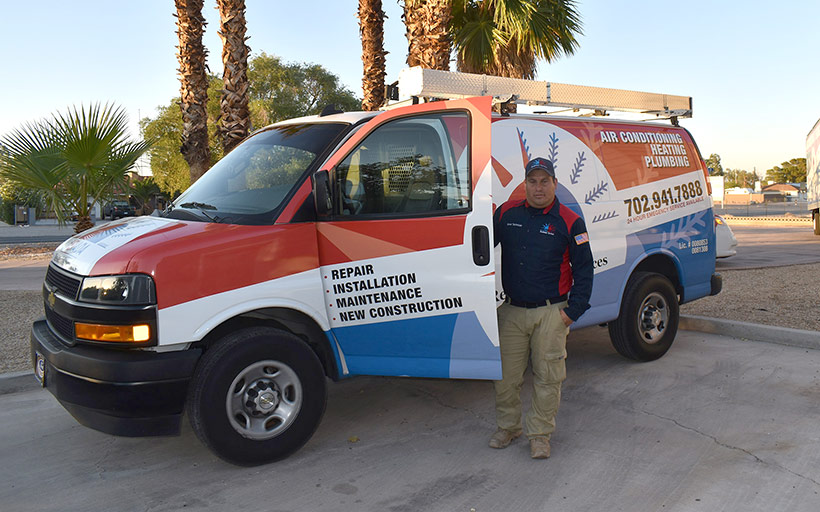
Meet Matt, Your Local
Matt is a seasoned
Winter may not be brutal in Nevada, but when the temperature drops, people expect their heating to work and that’s where Matt comes in. He’s always on the move, fixing, troubleshooting, and installing, all while fueled by strong coffee and the occasional In-N-Out burger.
His job doesn’t end when the clock hits five.
Ever wondered what it’s like to be the person who keeps the heat running when temperatures drop? Let’s follow Matt through a typical winter day on the job.
6:00 AM – The Early Bird Gets the Warm Air
The alarm blares, and he gets out of the bed, already checking my phone for any overnight emergency calls. Working for a reputable Heating and Air Conditioning company means being on call 24/7, especially during winter, when heating issues can’t wait. A quick stretch, a splash of cold water on my face (which is ironic, considering he spend his day fixing heating problems), and he is ready to roll.
First stop? Mothership Coffee in downtown Henderson. Great espresso, solid breakfast burritos, and, most importantly, caffeine strong enough to power a whole furnace.
7:00 AM – Gearing Up for the Day
Matt heading to the shop, where he check in with the dispatcher and load up his van with everything he might need: filters, igniters, blower motors, and a thermos full of more coffee.
Today's schedule is packed with a variety of jobs:
- Routine furnace maintenance
Filters, gas pressure checks, burner cleaning. You’d be amazed at what people forget to do until their house feels like an igloo. - No-heat calls
This is where you earn your money. Diagnosing a failed ignitor, cracked heat exchanger, or a malfunctioning thermostat can mean the difference between a comfort and safety of warm and cozy home and a freezing family. - New system installations
Some customers decide to finally upgrade their ancient, inefficient gas furnaces to high-efficiency models. Good for their energy bill, good for us. - Heat pump troubleshooting
In places like Henderson or Spring Valley, many homes rely on heat pumps instead of gas furnaces. When they stop working, it’s often an issue with the reversing valve or low refrigerant levels. - Emergency calls
“My furnace just died, and my grandmother is coming over for the weekend!” Say no more.
9:30 AM – First Call: No Heat in a Rental Home
Matt pulls up to a rental property in Summerlin. The tenant meets him at the door, wrapped in three layers of blankets like they’re prepping for an Arctic expedition. “The heat just stopped working last night,” they say, shivering.
A quick inspection reveals the culprit: a clogged flame sensor. Five minutes with some sandpaper, a test cycle, and boom - warm air is flowing again. The tenant calls him a “miracle worker.” We just call it knowing where to look first.
12:30 PM – Lunch Break (Kind Of)
On paper, he should get a lunch break. In reality,
While eating, he listen to his favorite podcast, usually something
Tip for new techs:
Always keep napkins in your van. Eating in a moving vehicle is a skill, but spills happen.
2:00 PM – Heat Pump Issue in a Large Office
Next up: a heat pump that’s blowing cold air instead of warm. A little investigation, and he finds the problem - low refrigerant levels. The system has a slow leak, and while he can recharge it today, he makes sure to let the owner know it’s a temporary fix. Leaks don’t fix themselves, kind of like how ignoring your check engine light doesn’t actually make the problem go away.
4:30 PM – Last Scheduled Job: Furnace Replacement
The final job of the official day: swapping out a 20-year-old gas furnace for a brand-new, high-efficiency unit. These installs take a bit of muscle and patience, but once everything’s in place, tested, and running smoothly, there’s nothing better than seeing a customer’s relief when they realize they won’t have to sleep in three pairs of socks anymore.
6:00 PM – Wrapping Up (Sort Of)
By this time, most people are winding down for the evening.
Matt? He isjust hoping his phone doesn’t ring with an emergency call. But it probably will.
Being an